Key Takeaways
- 82.6% of marketers believe their loyalty programme makes customers feel valued, but only 56.2% of members agree, a gap of 26.4 percentage points.
- Marketer satisfaction with loyalty programmes jumped to 83.0% from 69.2% a year earlier, and average measured ROI reached 5.3x.
- Only 9.0% of programme owners report no data analysis challenges, and 31.6% struggle to identify which purchases loyalty actually drove.
- 64% of members in a separate 4,000-person survey say they would abandon a programme if earning rewards takes too long.
Loyalty is having the kind of year most marketing channels would envy. Programme owners are committing large shares of budget, satisfaction scores are up sharply, and the return on investment reported by programme owners keeps climbing. The awkward detail is that the people the programmes are built for describe a noticeably different experience from the one their owners are reporting.
That difference matters more than usual right now. With the fourth quarter about to put every retention programme under peak load, the brands that believe their own dashboards are the ones most likely to be surprised by what members do once the promotions stop landing.
One Programme, Two Verdicts
The clearest measure of the gap comes from Antavo's Global Customer Loyalty Report 2026, which pairs 3,000 survey responses from CMOs, marketing, IT and loyalty specialists with a panel of 10,000 loyalty programme members and 500 million tracked member actions across 17 countries. Because it asks both sides of the relationship, it can put their answers next to each other.
On the brand side, 82.6% of marketers believe their programme makes customers feel valued. On the member side, 56.2% agree. That is a 26.4-point spread on the one outcome loyalty exists to produce, and it sits alongside a marketer mood that has just improved sharply.
The gap between the 82.6% of marketers who believe members feel valued and the 56.2% of members who actually agree.
Satisfaction among marketers rose to 83.0% from 69.2% the year before. Some 90% report positive ROI, the average measured return reached 5.3x against 5.2x a year earlier, and 89.4% are confident their programme delivers value. Programme owners now direct 51.5% of their marketing budgets to CRM and loyalty. By almost any internal measure, the channel is winning.
What Members Are Actually Complaining About
The member data does not describe indifference. It describes friction. In Antavo's panel, 49.1% say rewards take too long to earn, 41.1% say rewards expire before they can redeem them, and 38.9% find the rewards unattractive. Some 27% of points earned in 2025 went unredeemed, and in programmes that use expiry, 12% of all points simply lapsed.
A second consumer study makes the same point from a different angle. LoyaltyLion's Customer Loyalty in 2026 research, conducted by Censuswide among 4,000 ecommerce loyalty members in the UK and US in March, found that 90% say membership influences their repeat purchases and that the average member logs in 10 times a month. Interest is plainly there. Yet 64% would abandon a programme if earning takes too long, and the same 64% would leave if the rewards lack value.
Put together, the two studies suggest the problem is not that customers have stopped caring about loyalty. It is that a programme can feel generous from the inside, where the cost of every point is visible, and slow from the outside, where only the distance to the next reward is.
The Channel Shift Nobody Planned
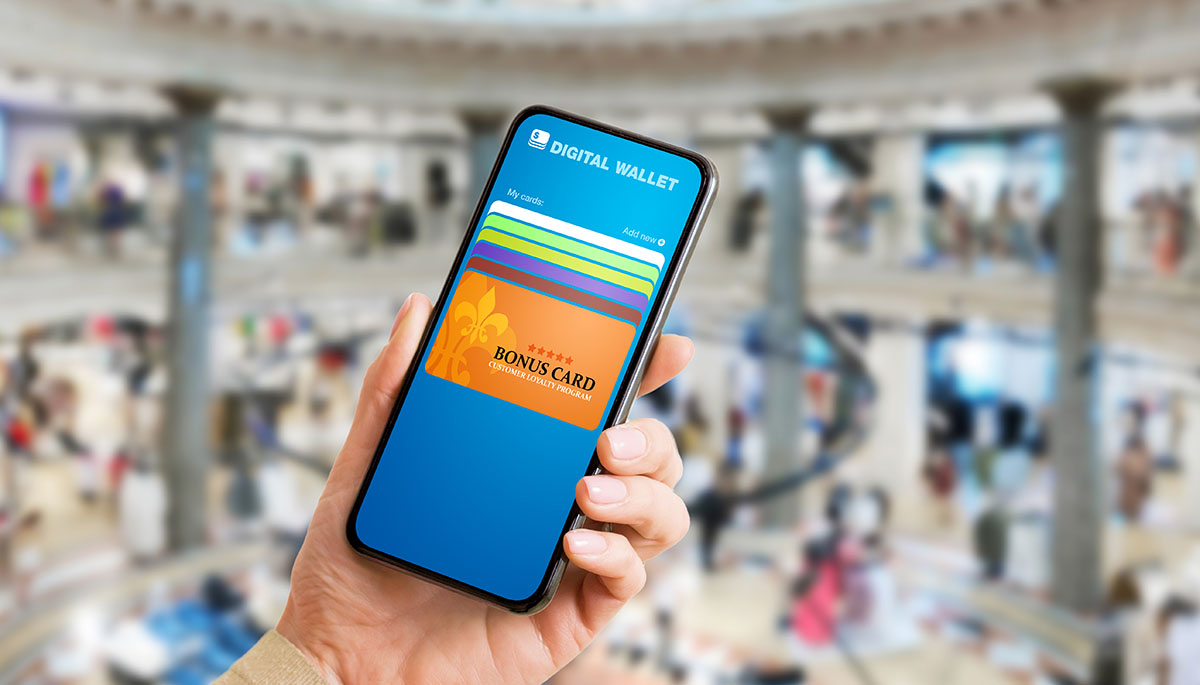
How members reach their programmes is also moving under brands' feet. Antavo found mobile app logins fell to 44.1% from 59.0% a year earlier, while use of a digital card on the phone rose to 42.4% from 34.7% and, less expectedly, the physical plastic card climbed to 41.0% from 29.3%. Many brands have spent several years pushing members into a dedicated app. Members appear to be answering by spreading out instead.
LoyaltyLion's respondents set a similarly broad expectation: 85% want access in store and 82% want it on the website. A programme designed around a single owned channel will register lower engagement wherever members have chosen to go instead, and it will be tempting to read that as disinterest rather than a routing problem.
Industry investment is at least pointed at the speed complaint. Open Loyalty's Loyalty Program Trends 2026 report, based on more than 170 loyalty professionals, found 75% of businesses prioritising instant gratification through real-time rewards, and 81% of consumers interested in visual progress bars. One contributor described the top challenge as simply surviving in the “sea of sameness.”
Why the Dashboard Keeps Saying Yes
The most useful explanation for the perception gap may sit in the measurement layer. Only 9.0% of programme owners in Antavo's research report no data analysis challenges at all. Some 36.3% cite data quality or fragmentation, 34.5% say limited integration prevents clear analysis, 31.2% lack specialised analytical skills, and 31.6% struggle to identify which purchases were actually driven by the programme.
That last figure deserves attention next to the 5.3x ROI. If nearly a third of owners cannot reliably separate loyalty-driven purchases from those that would have happened anyway, some share of the reported return is an attribution assumption rather than an observed effect. It does not mean the ROI is wrong. It means the number is strongest where the data is cleanest, and most programmes do not yet sit there.
Share of loyalty programme owners reporting no data analysis challenges, as leadership pushes for weekly and monthly reporting.
The pressure to report is rising regardless. Some 31.1% of leadership teams expect weekly loyalty analysis and 33.5% expect it monthly, while 90.7% of programme owners use loyalty data to set pricing and promotions. AI use in loyalty management has risen to 51.4% from 37.1%, and 50.9% now offer AI-driven personalisation. Automation layered on fragmented data tends to produce confident output faster, not more accurate output, which is precisely how an internal view and a member view drift apart.
Closing the Gap Before Q4 Tests It
- Measure feeling, not just transactions. Ask members directly whether they feel valued and report that number next to ROI. A 26.4-point gap only becomes visible when both sides are asked.
- Shorten the distance to the first reward. Slow earning is the top frustration in both consumer studies. Review how many purchases a new member needs before anything tangible arrives.
- Audit expiry as a retention cost. With 27% of points unredeemed and 41.1% of members citing expiry, lapsed points are a liability that saves margin while spending goodwill.
- Follow members to the channels they chose. App logins fell while digital wallet and physical card use rose. Make the programme equally usable in store, on the web and in the wallet.
- Fix incrementality before scaling AI. Until a programme can isolate loyalty-driven purchases, personalisation models will optimise against an assumption, and weekly reporting will repeat it more often.
- Treat budget growth as a reason to test harder. With 51.5% of marketing budgets flowing to CRM and loyalty, the channel now deserves the same holdout testing any paid line would.
None of the data suggests loyalty is failing. Members still join, still log in and still say programmes shape where they buy. What it does suggest is that the channel's internal scorecard has run ahead of the customer's experience of it, and that the fix starts with measuring what members actually feel rather than what the programme records.